
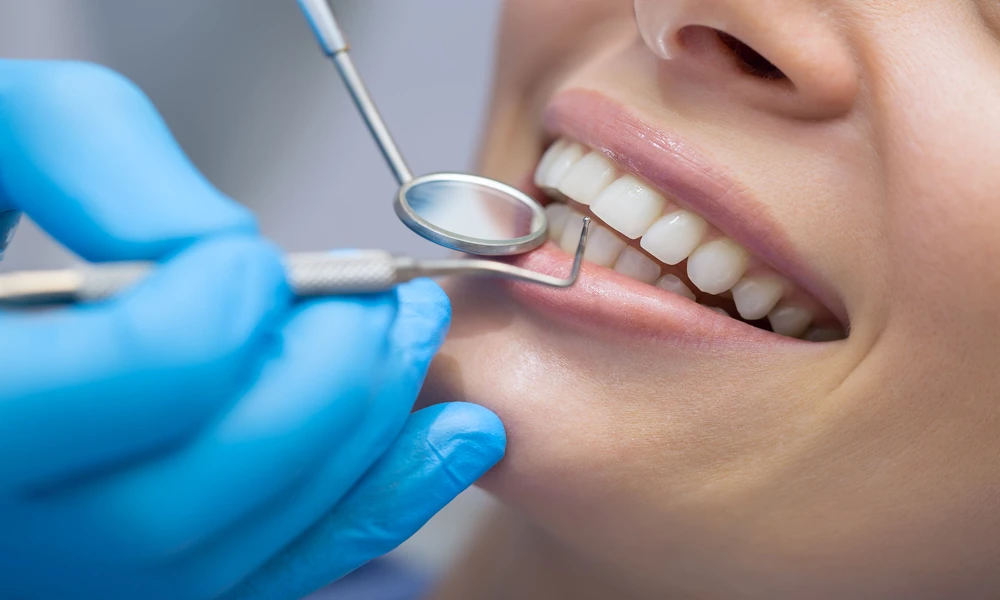
You brush, you floss when you can, and you tell yourself you will schedule that dental visit soon. Then life gets busy, your mouth feels mostly fine, and the appointment keeps sliding down the list. A lot of people live there for months or years, especially if they have not yet found a local Santa Rosa office for modern dental care. The hard part is that dental problems often stay quiet until they start hurting, and by then the fix is usually bigger, more expensive, and harder on your body.
That is where preventive care changes the story. Regular exams, cleanings, X rays when needed, and early treatment do more than protect teeth. They lower your risk of gum disease, catch decay before it spreads, and support your overall health. Preventive dental care is not just about avoiding cavities. It helps you eat comfortably, sleep better, speak with confidence, and reduce the stress that comes from surprise dental problems.
Preventive care in general dentistry protects more than your smile
Small dental issues have a way of turning into daily problems. A little bleeding when you brush can seem easy to ignore. A spot of sensitivity to cold drinks can feel manageable. Then weeks pass, bacteria keep building, enamel keeps wearing down, and inflammation keeps growing. What started as a minor concern can become a filling, a root canal, gum treatment, or a lost tooth.
Routine dental prevention works because it interrupts that cycle early. A general dentist checks for plaque buildup, early decay, gum recession, bite issues, worn fillings, and signs of infection. Professional cleanings remove hardened tartar that brushing cannot lift at home. Fluoride treatments and sealants may help some patients reduce future decay. The result is simple. Fewer emergencies, fewer painful surprises, and more control over your health.
Your mouth is also connected to the rest of your body in ways many people do not realize. The CDC explains that oral health is linked to overall health, and gum disease has been associated with conditions such as diabetes and heart disease. That does not mean every dental problem leads to a medical crisis. It does mean your mouth deserves the same steady attention you give the rest of your health.
Skipping preventive dental visits often costs more in pain, time, and money
People often delay care for practical reasons. Cost is real. Dental anxiety is real. Time off work is hard to arrange, and if nothing hurts, it is easy to assume nothing is wrong. The problem is that untreated issues rarely stay small. A cavity does not heal on its own. Gingivitis can progress to periodontitis. Teeth grinding can keep wearing enamel down while you sleep.
Think about the difference between removing tartar during a routine cleaning and treating advanced gum disease after bone loss begins. One is a planned visit. The other can involve deep cleanings, multiple appointments, discomfort, and long term maintenance. The same pattern shows up with decay. Early treatment may mean a small filling. Delay can mean infection, swelling, lost workdays, and a much larger bill.
There is also the emotional toll. Dental pain can make eating miserable and sleep uneven. Bad breath or visible dental issues can make you hold back in conversations, meetings, and photos. If you have ever covered your mouth when you laugh or chewed on one side to avoid discomfort, you already know this is not just about teeth. It affects how you move through the day.
For adults looking for practical ways to protect their oral health between visits, the CDC shares oral health tips for adults that support prevention at home.
General dentist preventive care gives you early answers and steadier health
A general dentist does more than clean teeth. These visits create a record of change over time. Your dentist can compare past X rays, watch areas that may weaken, check your gums for inflammation, and spot patterns that suggest grinding, dry mouth, or diet related erosion. That kind of tracking matters because oral disease often develops gradually.
If you have crowns, fillings, bridges, or implants, prevention matters even more. Dental work does not remove your need for maintenance. Restorations can wear down, margins can trap plaque, and gums around treated teeth still need care. A strong prevention plan helps protect the investment you have already made in your mouth.
Reliable patient education matters too. MedlinePlus offers trusted dental health information on common conditions, treatments, and daily care habits, which can help you understand what your dentist is watching for and why follow through matters.
Preventive care and delayed treatment lead to very different outcomes
| Situation | Preventive Care Path | Delayed Care Path |
|---|---|---|
| Early cavity | Found during exam, often treated with a small filling | Decay spreads, may lead to pain, infection, or root canal |
| Bleeding gums | Cleaning, home care changes, close monitoring | Progression to gum disease, recession, bone loss, loose teeth |
| Teeth grinding | Signs caught early, night guard may prevent damage | Cracked teeth, jaw pain, worn enamel, costly repairs |
| Old fillings or crowns | Wear spotted before failure, simpler repair or replacement | Breakage, decay under restoration, urgent treatment |
Simple actions make preventive dental care easier to keep up with
Schedule care before there is a problem. Book your next exam and cleaning before you leave the office, or set a reminder today if you are overdue. Preventive visits are easier to manage when they are planned, not crisis driven.
Build a home routine you can actually maintain. Brush twice a day with fluoride toothpaste, floss once a day, and replace your toothbrush or brush head on schedule. If your gums bleed or your teeth feel sensitive, do not wait for it to get worse. Those early signs are useful.
Tell your dentist what has changed. Mention dry mouth, jaw tension, new medications, pregnancy, smoking, diabetes, or changes in diet. General dentistry works best when care matches your real life, not an ideal version of it.
Preventive care in general dentistry supports long term patient wellness
You do not need to wait for pain to justify taking care of your mouth. Prevention is often the calmer, less expensive path, and it supports your comfort, confidence, and health in ways that reach far beyond your teeth. A good general dentist helps you catch problems early, protect the work already done, and keep daily life from being interrupted by avoidable dental issues.
If you have been putting off a visit, this is a good time to change course. Schedule a preventive dental appointment and give yourself the relief that comes with staying ahead of the problem.