
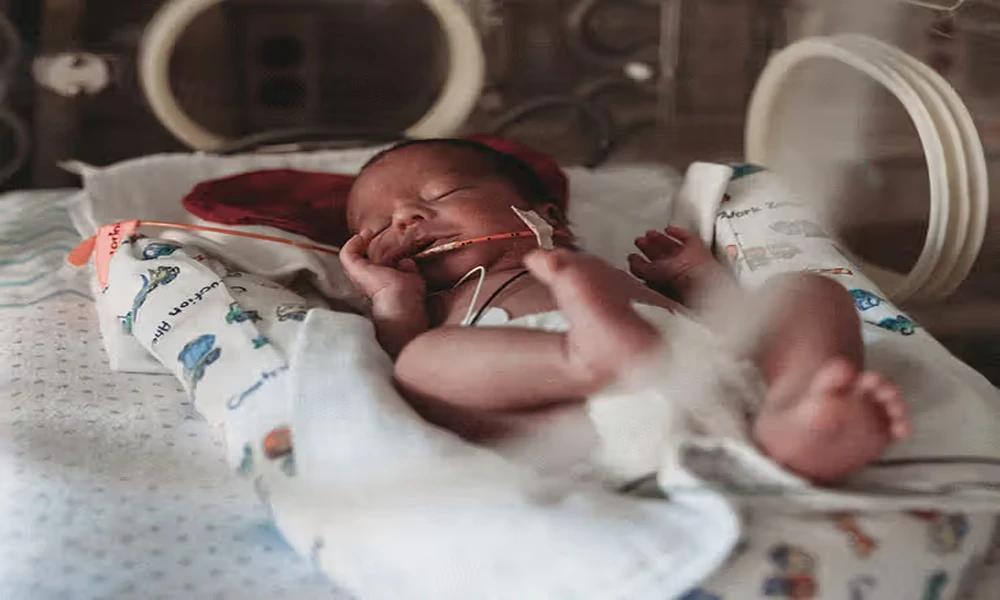
Perinatal asphyxia occurs when a baby does not get enough oxygen before, during or just after birth. The brain and other vital organs depend on a steady oxygen supply, so even a brief interruption can cause harm. Knowing the warning signs and the care available helps families and caregivers act without delay.
What Is Perinatal Asphyxia?
Also called birth asphyxia, this condition leads to low oxygen levels in the blood, a rise in carbon dioxide and a build-up of acid in the body. In severe cases, it can cause hypoxic-ischemic encephalopathy (HIE), a type of brain injury. The World Health Organization (WHO) lists birth asphyxia among the leading causes of newborn deaths worldwide, which is why timely recognition matters.
The Causes Behind It
Oxygen supply can be disrupted at several points between the mother, the placenta and the baby. Common causes include:
- Maternal conditions such as preeclampsia, high blood pressure, anaemia, diabetes, infection or heavy bleeding
- Placental problems, including placental abruption or placenta previa
- Umbilical cord complications, such as cord prolapse or compression during labour
- Prolonged or obstructed labour, or uterine rupture
- Premature birth, low birth weight or congenital abnormalities
- Breathing difficulties after delivery, including meconium aspiration
Symptoms of Perinatal Asphyxia
Signs can appear during labour or right after delivery. Doctors may notice an abnormal fetal heart rate pattern or meconium-stained amniotic fluid before birth. After birth, symptoms may include:
- A weak cry or no cry
- Absent, slow or gasping breathing
- Poor muscle tone or limpness
- Pale or bluish skin
- A slow heart rate
- A low Apgar score
Seizures, feeding difficulty and unusual drowsiness may follow in the hours or days after birth.
Perinatal Asphyxia Diagnosis
Diagnosis combines several assessments. The Apgar score is recorded at one and five minutes after birth, and a persistently low score raises concern. Umbilical cord blood gas testing measures acidity, and a pH below 7.0 is commonly linked with significant asphyxia. Blood tests check lactate, blood sugar, and kidney and liver function. If HIE is suspected, doctors perform a neurological examination and may recommend an EEG, cranial ultrasound, or MRI to assess brain involvement.
Treatment Options for Perinatal Asphyxia
Treatment begins in the delivery room with neonatal resuscitation. This includes keeping the baby warm, clearing the airway and providing breathing support, with chest compressions and medicines added when needed.
Babies born at or after 36 weeks with moderate to severe HIE may receive therapeutic hypothermia. Doctors lower body temperature to about 33 to 34°C for 72 hours, ideally starting within six hours of birth, to reduce the risk of brain damage. Supportive care in the neonatal intensive care unit includes fluids, blood sugar control, blood pressure support, seizure medicines and close monitoring of the kidneys, liver and lungs.
Outlook and Prevention
Outcomes depend on how severe the oxygen shortage was and how long it lasted. Some babies recover fully, while others may develop cerebral palsy, epilepsy or developmental delays, so regular follow-up is important.
Regular antenatal check-ups, delivery under skilled supervision and careful monitoring during labour lower the risk. Women with high-risk pregnancies may also benefit from a consultation with a fetal medicine specialist, who can track the baby’s growth, placental function and well-being through detailed scans and Doppler studies. Expectant mothers should seek care immediately for reduced fetal movement, severe headache or bleeding. Specialised centres such as Apollo Cradle & Children’s Hospital offer maternal, fetal and neonatal expertise to support families through high-risk deliveries.