
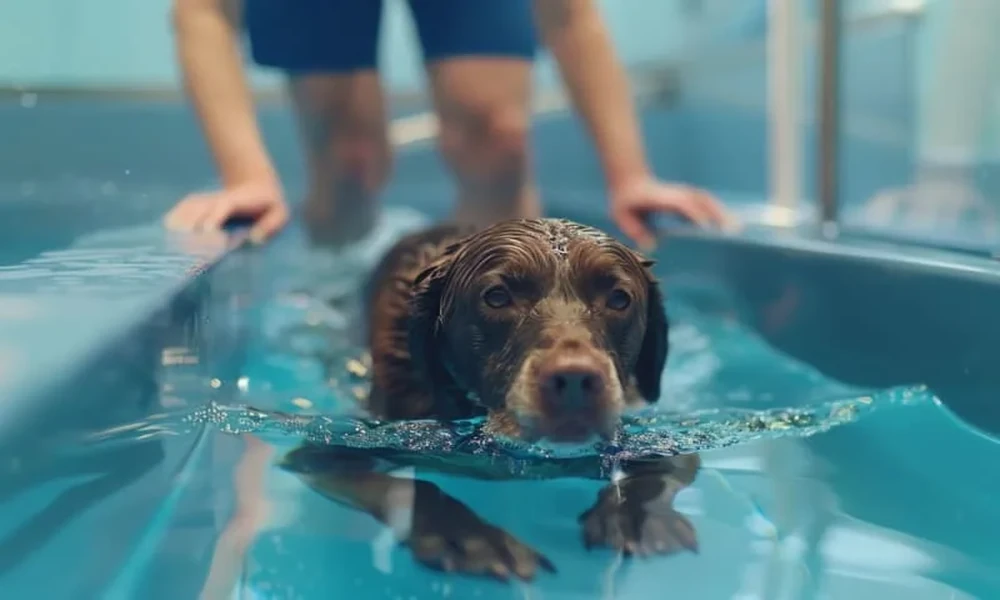
You notice the change before anyone else does. Your dog hesitates before jumping into the car. Your cat stops using the high window perch. A surgery may be over, the stitches may be out, yet something still feels off. Recovery is rarely a straight line, and that can leave you worried, second guessing, and trying to figure out whether your pet needs more time or more help. At our clinic, we provide comprehensive veterinary services in Kanata, ON to support your pet through every stage of healing.
This is where The Role Of General Veterinarians In Supporting Rehabilitation becomes clear. A general veterinarian is often the first person to spot mobility problems, pain patterns, slow healing, or setbacks that need more than rest. They do not replace rehabilitation specialists. They help connect the dots, guide safe next steps, and keep your pet’s full health picture in view while recovery moves forward.
General veterinarians help rehabilitation start earlier and stay safer
Rehabilitation works best when pain, movement limits, and medical risks are addressed together. Your general veterinarian usually knows your pet’s history better than anyone else. They know about arthritis, heart disease, weight changes, old injuries, medication reactions, and the small things that matter when building a recovery plan.
That matters because rehab is not just exercise. A pet recovering from a cruciate injury may need pain control, weight support, home activity limits, and monitoring for compensation injuries in the other limbs. A senior dog with weakness may look like a simple rehab case at first, but the real issue could involve nerve disease, untreated joint pain, or a medication problem. If those pieces are missed, therapy can stall or your pet can get worse.
A primary care veterinarian in pet rehabilitation helps sort out those risks early. They examine gait, assess pain, review imaging, check whether healing is on track, and decide if referral is needed. They can also help you understand which changes are normal and which are warnings. That saves time, money, and stress.
Non invasive options are also part of the conversation. The University of Illinois explains how non invasive therapies can aid healing in veterinary rehabilitation, including tools that support pain relief, strength, and function. Your general veterinarian helps decide whether those options fit your pet’s condition or whether another issue needs treatment first.
Veterinary rehabilitation support depends on communication, not guesswork
You may be told your pet needs rest, then hear from another source that movement is good. Both can be true, depending on timing, diagnosis, and healing stage. That is where owners often feel stuck. Too much activity can set recovery back. Too little activity can lead to stiffness, muscle loss, weight gain, and frustration for a pet that wants to move.
Veterinary rehabilitation support works best when your general veterinarian acts as the steady point of contact. They can coordinate with surgeons, rehab therapists, and specialists so instructions do not conflict. If your dog starts limping more after home exercises, your veterinarian can decide whether that is expected soreness, overwork, or a sign of a new problem. If your cat refuses treatment because of pain, they can adjust the medical plan instead of assuming the rehab itself failed.
The field is also growing fast. Washington State University recently highlighted a veterinarian leading work focused on mobility, pain, and quality of life, which reflects how much rehabilitation now reaches beyond post surgery care. Pets with arthritis, neurologic disease, obesity, and age related weakness may all benefit from structured support, and the general veterinarian often opens that door.
A general veterinarian keeps rehabilitation grounded in daily life
Rehab plans can look great on paper and still fall apart at home. Your dog may hate the sling. Your cat may not tolerate repeated handling. Work schedules, stairs, slippery floors, and budget limits all shape what is realistic. A general veterinarian can help adapt the plan so it actually fits your life.
That might mean breaking exercises into shorter sessions, changing pain medication timing, recommending better traction at home, or deciding that referral for formal rehab is more useful than asking you to manage everything alone. It can also mean saying no to internet advice that sounds harmless but is wrong for your pet’s diagnosis.
Licensing and professional oversight matter too, especially when multiple providers are involved. If you want to verify standards or stay current on regulatory updates, the California Veterinary Medical Board posts latest veterinary board news and updates. Clear credentials and clear communication protect your pet.
Practical differences between home recovery and guided rehabilitation care
| Approach | What it often includes | Main benefit | Main risk |
|---|---|---|---|
| Rest without follow up | Crate rest, short leash walks, watching symptoms at home | Low cost at first | Missed pain, stiffness, muscle loss, delayed healing |
| Home exercises without veterinary review | Online stretches, balance work, longer walks | Feels proactive | Wrong exercises for the condition, overuse, reinjury |
| General veterinarian led recovery | Diagnosis review, pain plan, mobility checks, referrals when needed | Safer decisions based on full medical history | May still need specialist rehab for complex cases |
| Coordinated rehab with veterinary team | Primary vet, surgeon, rehab therapist, progress updates | Best support for function, comfort, and long term mobility | Higher cost and more scheduling |
The best option depends on the pet in front of you. A mild strain may improve with a simple plan from your general veterinarian. A dog recovering from spinal surgery or a pet with chronic pain needs closer coordination. The point is not to make recovery complicated. It is to make it accurate.
Three steps you can take right now
Track specific changes. Write down when the limp appears, how long stiffness lasts, whether stairs are harder, and what happens after activity. Vague concerns are easy to dismiss. Patterns give your veterinarian something useful to assess.
Ask for a recovery plan with checkpoints. You need to know what your pet can do, what your pet should avoid, and when improvement should show up. Ask what signs mean the plan is working and what signs mean your pet should be rechecked sooner.
Request coordination if more than one provider is involved. If your pet has a surgeon, rehab therapist, or specialist, ask your general veterinarian to stay in the loop. One shared plan reduces mixed messages and helps everyone respond faster if progress stalls.
Recovery is stronger when your veterinarian stays involved
When your pet is hurting or not bouncing back, it is easy to feel like you are missing something. Often, what is missing is not effort. It is coordination. A general veterinarian helps turn scattered symptoms, home challenges, and specialist recommendations into a plan that makes sense. If your pet is struggling with movement, pain, or slow healing, schedule an exam with a general veterinarian and ask directly whether rehabilitation support should be part of the next step.