
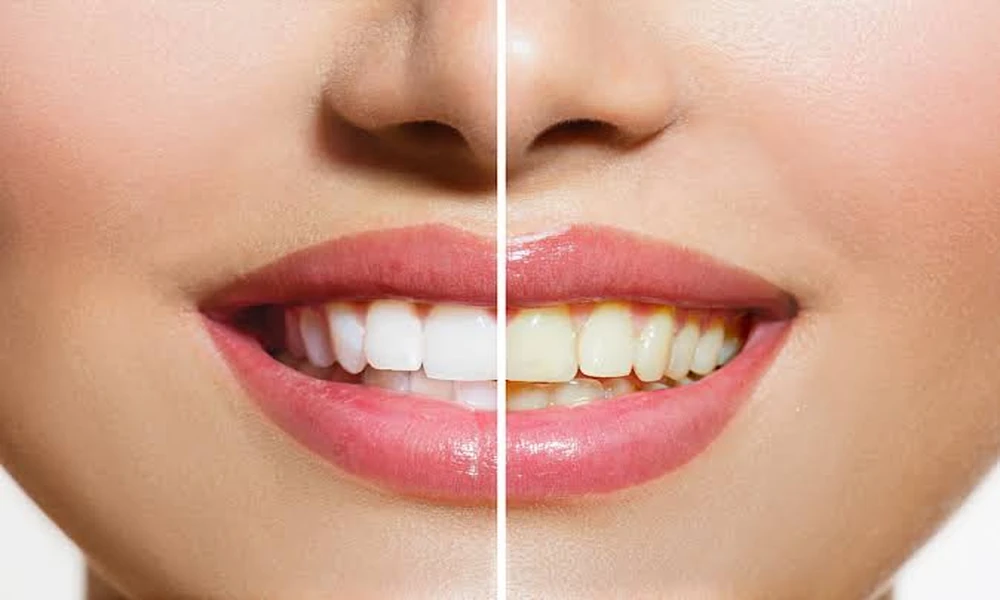
You may have been staring at one tooth for months. Maybe it is chipped, stained, uneven, or missing, and every photo seems to pull your eye straight to it. That kind of frustration wears on you. It is not just about looks. It can change how you smile, how you speak, and how comfortable you feel sitting across from other people. The good news is simple. Why Cosmetic Dentistry Offers More Options Than Ever Before comes down to better materials, better planning, and more ways to match treatment to your budget, goals, and oral health at Forest Dental Associates in Utica and Sterling Heights.
People used to think cosmetic dental work meant one of two things. You either whitened your teeth or got veneers. That is no longer the reality. A general and restorative dentist can now blend appearance with function in ways that were harder to do even a few years ago. If you want a small change, there are conservative treatments. If you need to rebuild a damaged smile, there are stronger and more natural-looking options than many patients expect.
Modern cosmetic dentistry gives you more personalized choices
The biggest shift is customization. Dental care is no longer one size fits all. If your enamel is healthy but your teeth are dull, whitening may be enough. If one front tooth is misshapen, bonding can reshape it in a single visit. If older dental work stands out when you smile, tooth-colored restorations can help it blend in.
This matters because cosmetic concerns often overlap with restorative needs. A cracked tooth is not only a cosmetic issue. A missing tooth changes your bite. Worn edges may come from grinding, which slowly affects both appearance and function. That is where a smile enhancement treatment plan has become more useful. Instead of chasing one surface problem, your dentist can look at the full picture and recommend care that protects your teeth while improving how they look.
Materials have also improved. Research supported by the National Institute of Dental and Craniofacial Research has helped advance dental materials that are stronger, more lifelike, and better suited for daily wear. That affects crowns, fillings, bonding materials, and veneers. Many restorations now reflect light more like natural enamel, which means cosmetic work can look less obvious and feel more like your own teeth.
General and restorative dentist services now blend beauty and function
You might think cosmetic treatment is separate from regular dental care, but that split is often artificial. A general and restorative dentist may use crowns, implants, bridges, bonding, and tooth-colored fillings to solve both structural and appearance issues at once. That gives you more flexibility, especially if your smile concerns are tied to damage, decay, or tooth loss.
Take a common example. A patient comes in asking about whitening, but one front tooth is darker because it had trauma years ago. Whitening alone will not fix the mismatch. The better option may involve internal treatment, bonding, or a veneer, depending on the tooth. Another patient wants straighter-looking teeth but has worn enamel and old fillings. Moving teeth may help, but restoring shape and strength may matter just as much. More options means fewer dead ends.
That is one reason cosmetic dentistry options feel more accessible now. Treatment can be staged. You do not always need a full makeover. You can start with the issue that bothers you most, then build from there in a way that makes sense for your health and finances.
Research and public awareness have changed what patients ask for
People are paying closer attention to oral health because they understand it affects daily life. The NIDCR report on oral health in America shows how oral conditions influence eating, speaking, comfort, and social well-being. That broader understanding has changed patient expectations. You are not being vain if you want your teeth to look healthy and balanced. Appearance and confidence are part of quality of life.
As demand has grown, planning tools have improved too. Digital imaging, shade matching, and more precise fabrication help dentists show you realistic options before work begins. That reduces the old fear of agreeing to treatment and hoping for the best. You can ask better questions, compare approaches, and choose a result that fits your face and habits rather than chasing a generic ideal.
Practical cosmetic dental treatment comparisons help you choose wisely
| Treatment | Best For | Typical Pace | Main Advantage | Main Limitation |
|---|---|---|---|---|
| Professional whitening | Surface stains and overall brightening | Fast, often one visit or take-home trays | Lower cost and conservative | Will not change shape, spacing, or dark internal discoloration |
| Dental bonding | Chips, small gaps, uneven edges | Often one visit | Quick improvement with minimal tooth change | May stain or wear sooner than porcelain |
| Veneers | Color, shape, and symmetry concerns on front teeth | Usually two or more visits | Strong cosmetic control and natural appearance | Higher cost and not ideal for every bite pattern |
| Crowns | Teeth that are damaged, weak, or heavily restored | Usually two visits or same day in some offices | Restores strength and appearance together | Requires more tooth coverage than bonding or whitening |
| Implants or bridges | Missing teeth | Multi-step process | Replaces missing structure and supports function | Higher cost and more planning |
The right choice depends on what is actually causing the problem. A cheap fix that does not address wear, bite pressure, or decay usually turns into a more expensive fix later. That is where good diagnosis matters more than trends.
Three steps can make cosmetic dentistry feel less overwhelming
1. Get clear on what bothers you most. Be specific. “I hate my smile” is hard to treat. “My front tooth is darker than the others” or “my lower teeth look crowded in photos” gives your dentist something concrete to evaluate.
2. Ask for options in phases. If cost is a concern, say so early. Many patients assume they need to do everything at once, then delay care because the plan feels too big. A phased approach can address the most visible or urgent issue first.
3. Focus on longevity, not just appearance. Ask how long each option tends to last, what maintenance it needs, and whether grinding, clenching, or gum health could affect the result. Good cosmetic dentistry is still dentistry. It has to work in real life.
More cosmetic dentistry choices can mean a better fit for your real life
If you have been putting this off because you assumed your only choices were too expensive, too obvious, or too extreme, that assumption may be outdated. Today’s cosmetic and restorative care offers more range, more natural results, and more room to tailor treatment to your needs. A general and restorative dentist can help you sort out what is cosmetic, what is functional, and where those two overlap so you can move forward with confidence.
You do not need to have a perfect smile in mind before you start. You only need a clear sense of what feels off and a willingness to ask what can be improved. The options are broader than they used to be, and that gives you a better chance of finding care that feels right for your teeth, your budget, and your life.