
You might be feeling pulled in two directions right now. On one hand, you want a tooth replacement that feels secure, looks natural, and lasts. On the other, the idea of oral surgery can bring up a lot of questions about pain, safety, cost, and whether the result will really fit the way it should. That tension is real, especially when you are trusting someone to place an implant in a spot that affects your bite, your smile, and your day to day comfort. If you are also searching for jaw pain and clicking treatment New Braunfels, it may help to discuss how your overall bite and jaw function relate to your implant plan.
Here is the short answer. How Implant Dentists Use Advanced Technology For Precision Placement comes down to careful imaging, digital planning, and guided surgery that help reduce guesswork. An oral surgeon and implant dentist can use these tools to study your bone, map out the best angle and depth, and place the implant with better control. That does not remove every risk, but it can make treatment more predictable and easier to understand.
Why does precision matter so much with dental implant placement?
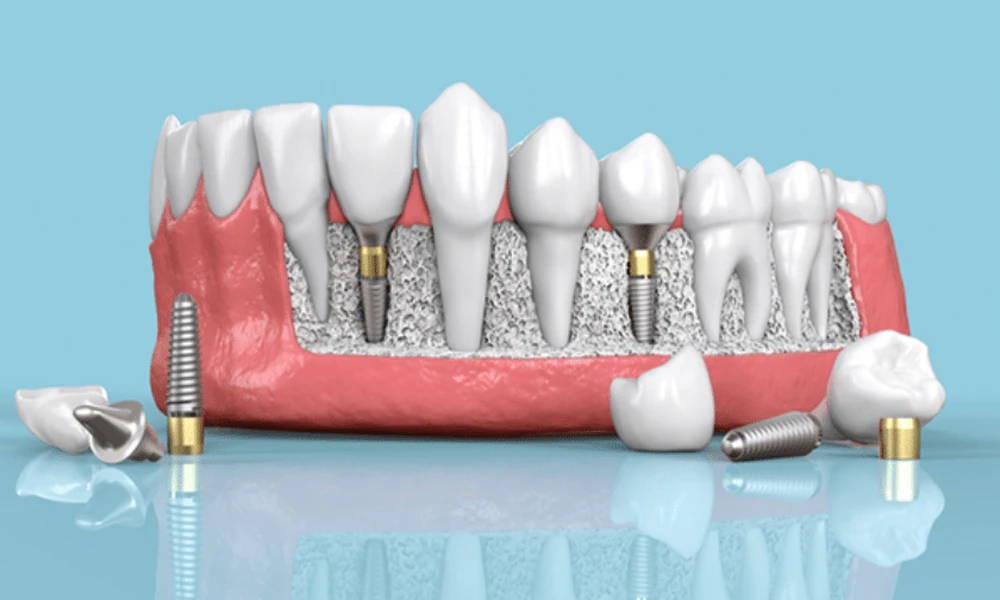
If you have ever been told that an implant is “just a screw,” that can make the process sound simple. It is not. Implant placement depends on bone quality, gum shape, nearby nerves, sinus space, and the way your upper and lower teeth meet. If the angle is off, even by a small amount, the crown on top may not sit right, cleaning can become harder, and long term stress on the implant can increase.
Because of this, many people worry about what can go wrong. What if there is not enough bone? What if the implant ends up too close to a nerve? What if the final tooth looks fine but feels awkward when you chew? Those are reasonable questions, and they are exactly why technology now plays such a large role in precision implant placement.
Modern planning often begins with 3D imaging, especially cone beam CT scans. These scans give a detailed view of the jaw that standard two dimensional X rays cannot match. According to the NCBI overview of cone beam computed tomography, this type of imaging helps clinicians assess bone structure and nearby anatomy with far more depth. For implant treatment, that means your provider can see the limits before surgery starts, not discover them in the middle of it.
How do digital scans and surgical guides help an oral surgeon and implant dentist?
Once the 3D scan is combined with digital impressions of your teeth and gums, your provider can build a virtual model of your mouth. That model helps answer questions before a single instrument is used. Where should the implant sit so the future tooth lines up with your bite? How deep should it go? Is bone grafting needed first? This planning stage often makes the difference between a treatment that feels uncertain and one that feels organized.
Then comes guided surgery. A surgical guide is a custom device, often made from digital planning data, that helps direct the implant into the planned position. Instead of relying only on visual judgment during the procedure, the guide supports the exact path chosen in advance. The result is often better consistency, especially in areas where space is tight or anatomy is less forgiving.
Research supports this shift. A published review on computer assisted implant surgery discusses how digital workflows and guided systems can improve placement accuracy and treatment predictability. There is also growing use of robotic support in implant surgery. For example, the FDA clearance summary for the Yomi robotic assisted dental implant system describes technology designed to assist with planning and intraoperative guidance during implant placement.
So, where does that leave you? It means technology does not replace skill. It supports it. The best outcomes usually come when an experienced provider uses these tools to make thoughtful decisions for your specific anatomy.
What practical differences can advanced technology make for your treatment?
When you are comparing options, it helps to look beyond buzzwords. The real question is how technology changes your experience before, during, and after surgery. In many cases, it improves clarity, planning, and fit.
| Approach | Traditional Planning Alone | Advanced Digital Implant Planning |
|---|---|---|
| Imaging | Mostly 2D views with limited depth | 3D CBCT imaging shows bone, nerves, and sinus space |
| Implant Positioning | Based more on clinical judgment during surgery | Preplanned angle, depth, and position using software |
| Surgical Guidance | Freehand placement in many cases | Custom guides or robotic assistance can support accuracy |
| Restorative Outcome | May require more adjustment later | Often better alignment for the final crown or bridge |
| Patient Understanding | Harder to picture the plan | Digital models make the plan easier to explain and follow |
This does not mean every case needs every tool. A single implant in a straightforward area may not call for the same approach as multiple implants near the sinus or nerve canal. Still, when cases are more complex, advanced dental implant technology can make a meaningful difference in safety and predictability.
What can you do right now if you are considering implant surgery?
1. Ask what imaging and planning tools will be used.
You do not need to know every technical term. Just ask simple questions. Will a 3D scan be taken? Will the implant be planned digitally? Will a surgical guide be used? Clear answers can tell you a lot about how your case is being approached.
2. Ask how the implant position supports the final tooth.
A good plan is not only about placing the implant into bone. It is also about where the crown, bridge, or denture will sit afterward. This is one of the most important parts of good dental implant placement, because the implant has to work for both surgery and appearance.
3. Ask about your anatomy, not just the procedure.
Your bone level, gum tissue, bite force, and healing history all matter. If your provider explains how those factors shape the plan, you are more likely to get care that fits you instead of a one size fits all recommendation.
Can better technology make the whole process feel less overwhelming?
In many cases, yes. When you can see the plan, understand the reason for each step, and know that the implant is being placed with careful guidance, the process often feels less uncertain. That peace of mind matters. So does choosing an oral surgeon and implant dentist who uses technology as a tool for better judgment, not as a substitute for it.
If you are weighing your options, take your time, ask direct questions, and look for a provider who explains things in a calm and clear way. The right plan should help you feel informed, not pressured. When precision leads the process, treatment is more likely to support a stable bite, a natural look, and long term comfort.