
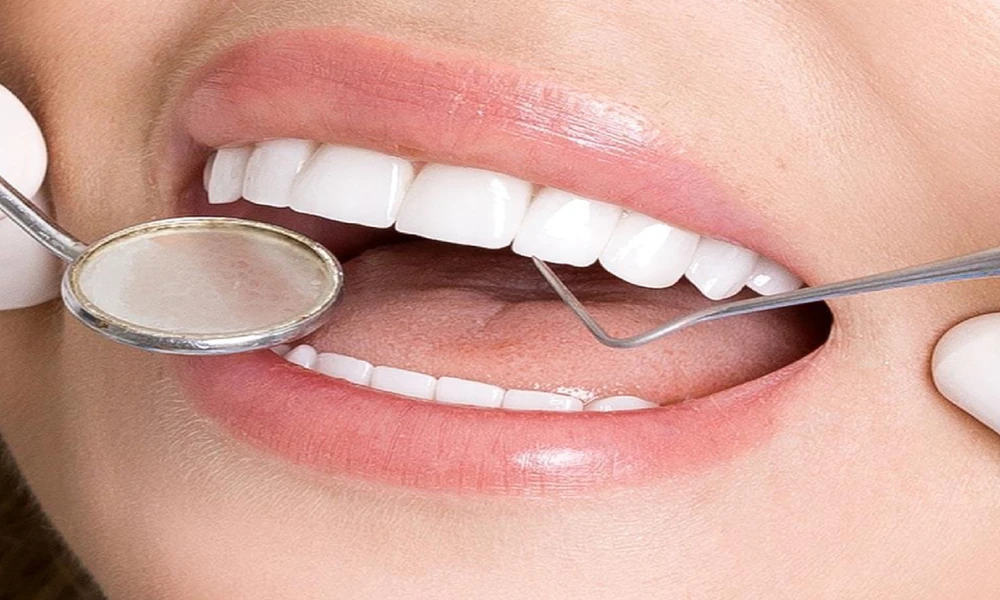
You can look at a crown, veneer, or filling in the dental chair and think the color is right, then catch your reflection outside and see something feels off. That reaction is common, and it usually has less to do with the shade name on a guide and more to do with how the material handles light. If you are investing in cosmetic dental work, a West LA dentist can help you choose restorations that blend in when you talk, laugh, and step into different lighting, not just when you are sitting under bright exam lights.
The core issue is simple. Natural teeth do not only have a color. They reflect, absorb, and scatter light in a very specific way. Cosmetic materials have to do the same if they are going to look believable. That is why light reflection in cosmetic dental materials matters so much. A close shade match can still look flat, gray, too bright, or oddly opaque when the optical behavior is wrong.
Natural teeth reflect light in layers, and restorations need to copy that effect
Your enamel is partly translucent. Dentin underneath gives much of the tooth its body color. Light enters the surface, bounces around inside those layers, and comes back out in a way that gives teeth depth instead of a painted look. Research on dental esthetics keeps pointing to the same reality, which is that color alone does not explain what the eye sees. Surface gloss, translucency, fluorescence, and the way light scatters all shape whether a restoration disappears into your smile or stands out. A review of optical properties in restorative materials explains how these factors affect visual integration.
That is where patients often get frustrated. You may hear that the crown is the right shade, yet it still looks different in photos or under restaurant lighting. The problem is not always poor care. Sometimes the material selected has a different translucency, surface texture, or refractive behavior than the neighboring teeth. Sometimes the tooth underneath is darker, and the restoration blocks light instead of working with it.
Shade matching in cosmetic dentistry depends on more than the shade tab
Shade guides are useful, but they are only one part of the process. Teeth are not one flat tone from top to bottom. The incisal edge can be more translucent, the middle can carry more brightness, and the gumline can be warmer or more saturated. If a dentist is matching a veneer or crown, they also have to think about thickness, cement color, internal characterization, and polish. A small change in any of those can change the way light reflects back to the eye.
Studies on esthetic restorative outcomes show that digital tools can improve consistency, but they do not erase the need for clinical judgment. A recent article on color evaluation and matching in dentistry highlights how lighting conditions, hydration of the tooth, and material choice can alter perceived color. Teeth can even look lighter when dry, which means a rushed match can create a result that looks wrong once normal moisture returns.
This is why tooth color and light reflection should be part of the conversation before treatment begins. If you already notice that your natural teeth change appearance depending on the room, your restoration will be judged by that same standard every day.
Material choice changes how natural a restoration looks
Porcelain, zirconia, and composite resin do not interact with light in the same way. That does not make one material universally better. It means the right choice depends on where the restoration sits, how much tooth structure remains, your bite forces, and how visible the tooth is when you smile.
A front tooth usually demands more optical nuance than a back molar. On an upper central incisor, even a strong restoration can look artificial if it is too opaque. On the other hand, a highly translucent material over a dark underlying tooth can show shadowing that bothers you every time you see it. Research comparing restorative materials often focuses on balancing strength with esthetics, and a clinical review of ceramic and resin based options discusses those tradeoffs clearly.
That balance matters because oral health is not cosmetic alone. Restorations need to function well and hold up over time. The NIDCR report on oral health in America reinforces how oral conditions affect comfort, nutrition, confidence, and quality of life. When a restoration looks unnatural, people often hide their smile. When it also fails functionally, the cost and stress multiply.
Comparing cosmetic dental materials by how they handle light
| Material | How It Reflects Light | Best Use Tendency | Potential Drawback |
|---|---|---|---|
| Layered porcelain | Can mimic enamel depth, translucency, and surface gloss very well | Highly visible front teeth | Technique sensitive and may cost more |
| Zirconia | Often reflects light with less depth than layered porcelain, though newer versions are more translucent | Cases needing added strength | May look too opaque in certain front tooth cases |
| Composite resin | Can be shaped and polished for good blending, but long term surface luster may change | Bonding and smaller cosmetic corrections | Can stain or lose polish faster over time |
Cosmetic dentistry materials matching starts with better planning
Ask to see the match in different lighting. Office lighting can hide problems. If possible, ask for evaluation under natural light and with photos. A restoration that works in more than one setting is less likely to surprise you later.
Discuss the underlying tooth and the material thickness. A dark tooth, metal post, or limited reduction can change the final look. This is especially relevant with a cosmetic dentist handling front teeth, where a material may need either more translucency or more masking power.
Request a trial mindset, not a rushed finish. Temporary restorations, mockups, and clear communication with the lab can prevent an expensive remake. If you are picky about your smile, that is not vanity. It is practical. You will see the result every day.
The right optical match protects both appearance and confidence
When a restoration reflects light like the teeth next to it, people notice your smile, not the dental work. That is the goal. If you are considering veneers, bonding, or crowns, ask about translucency, surface texture, and how the chosen material will behave in real life lighting. A careful cosmetic dentist should welcome those questions, because a natural result depends on more than picking a shade from a chart.
You do not have to settle for dental work that only looks right in one room. Thoughtful planning, the right material, and close attention to light reflection give you a result that feels like your smile again.