
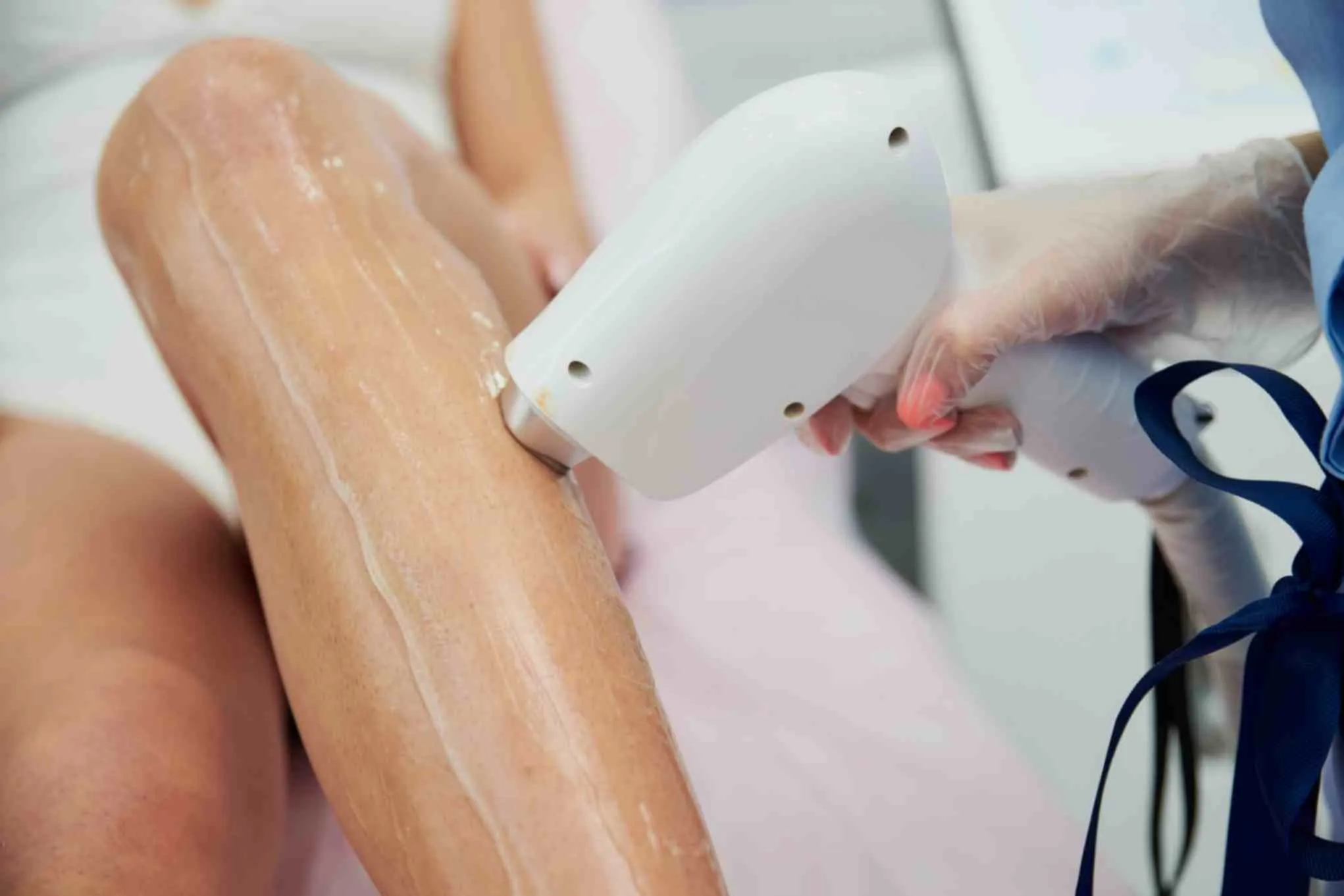
Laser hair removal is widely regarded as a safe and effective method for long-term hair reduction. With advancements in technology and proper techniques, it’s now accessible for various skin tones and hair types. However, like any cosmetic treatment, it does carry some potential side effects—most of which are temporary and manageable.
Experienced providers like Mediluxe laser hair removal clinics emphasize both client education and treatment customization to reduce these side effects while delivering optimal results. To make an informed decision, it’s important to understand what side effects are possible, why they happen, and how they can be minimized.
1. Temporary Skin Irritation
Redness, swelling, and tenderness are the most common side effects following a laser hair removal session. These symptoms typically resemble a mild sunburn and are the skin’s natural reaction to the heat energy absorbed during treatment.
- Duration: Usually resolves within a few hours to 48 hours.
- Management: Cold compresses, aloe vera, or over-the-counter anti-inflammatories can ease discomfort.
If the irritation persists longer than expected, contact your provider for follow-up.
2. Skin Discoloration (Hyperpigmentation or Hypopigmentation)
Skin color changes may occur after treatment, particularly if incorrect laser settings are used or if aftercare instructions are not followed.
- Hyperpigmentation (dark spots) is more common in lighter skin types.
- Hypopigmentation (light patches) may appear in darker skin if too much melanin is targeted.
These changes are typically temporary but may take weeks or months to resolve. Using sunscreen before and after treatment helps prevent discoloration.
3. Crusting or Scabbing
Occasionally, treated areas can form a light crust or scab, particularly if the skin is sensitive or if post-treatment guidelines are ignored.
- Cause: Dehydrated skin or aggressive treatment on delicate areas.
- Prevention: Keep the area moisturized and avoid picking or exfoliating.
- Recovery: Usually heals within a week without scarring.
4. Blistering or Burns
While rare, blisters or burns can happen if laser settings are too high, especially for darker skin tones or tanned skin. These cases are more likely in non-professional or inexperienced settings.
- Prevention: Only undergo treatment with trained professionals using FDA-approved devices.
- Care: Immediate application of cold compresses and medical-grade ointments can aid healing.
Burns should be reported to your provider immediately for proper management.
5. Follicular Swelling (Pseudofolliculitis)
Laser treatment may cause temporary swelling of the hair follicles, often appearing as small red bumps.
- Appearance: Looks like razor bumps or mild acne.
- Duration: Typically fades within 24–48 hours.
- Management: Avoid heat, friction, or tight clothing around the area.
This reaction is a sign the treatment is targeting the follicles effectively.
6. Rare Side Effects
Though uncommon, other possible side effects include:
- Infection – If the treated skin is not kept clean or if scabs are picked.
- Scarring – Rare and typically occurs from burns or aggressive scratching.
- Eye Injury – If proper eye protection is not worn during facial treatments.
These risks are virtually eliminated when proper safety protocols are followed.
How to Minimize Risks
Choosing a reputable clinic, such as those offering Mediluxe laser hair removal, significantly reduces the chances of experiencing serious side effects. Always:
- Follow pre-treatment instructions (e.g., avoid sun exposure or certain medications).
- Use sunscreen religiously post-treatment.
- Stay hydrated and avoid harsh skin products immediately after the procedure.
- Communicate any skin concerns with your provider beforehand.
Conclusion
Laser hair removal is generally safe and well-tolerated, with most side effects being mild and short-lived. Understanding what to expect and working with experienced professionals will ensure a smooth experience and reduce risks.