
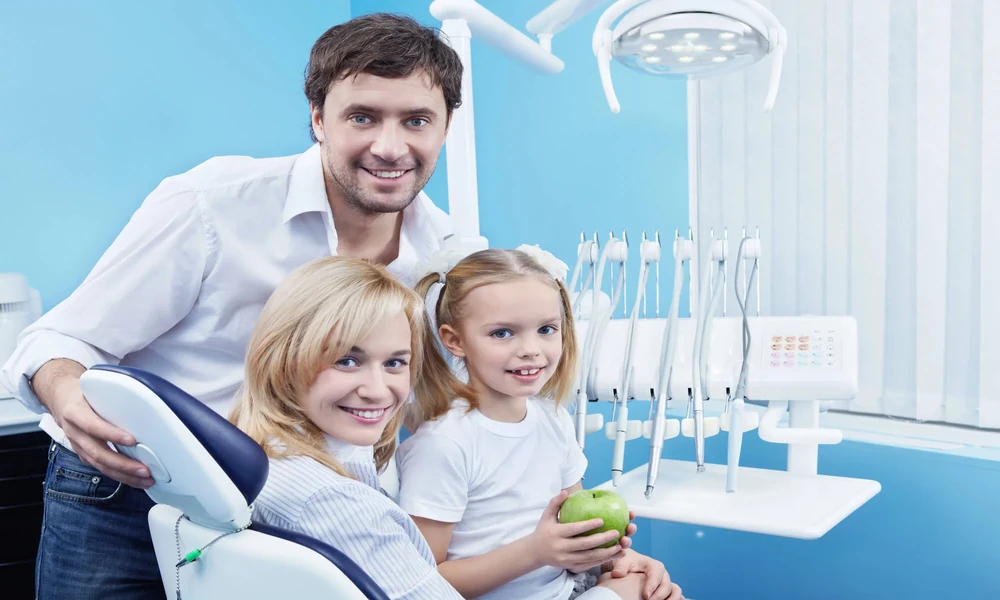
You might be feeling the strain already. One child sees a pediatric provider across town, you go to a different office for cleanings, and your partner keeps putting off care because scheduling feels like one more thing on an already packed list. At first, it may have seemed manageable. Over time, though, the missed reminders, repeated paperwork, and scattered records can turn routine dental care into a source of stress. If that sounds familiar, there is a good chance you are noticing the early signs that a change would make life easier. In simple terms, if your current setup feels fragmented, if your family’s needs are changing, or if preventive care keeps slipping through the cracks, it may be time to consider a family dentist in Riverview, FL.
That tension matters because oral health is not something most people can leave on autopilot. The CDC shares practical oral health tips for adults that point to a bigger truth. Consistent care, daily habits, and regular visits all work together. When your household’s dental care is spread out and hard to manage, consistency often becomes the first thing to go.
Are multiple dental offices making family care harder than it should be?
Sometimes the clearest sign is not a major dental problem. It is the constant friction. You are juggling separate appointment calendars, repeating medical history forms, and trying to remember who is due for what. If one child needs a checkup, another needs monitoring for braces, and you need a cleaning, coordinating all of that through different offices can feel like a second job.
Because of this pressure, you might wonder whether the hassle is just part of family life. It does not have to be. A household dental provider can often simplify care by serving children, teens, adults, and sometimes seniors in one place. That means one team gets to know your family’s history, habits, and concerns over time. It can also make it easier to spot patterns, like frequent cavities, grinding, or gum irritation, before they grow into bigger problems.
This is not only about convenience. It is also about follow-through. Research from the National Institute of Dental and Craniofacial Research notes that dental visits increase when pediatric providers support families. The lesson is simple. When care feels connected and supported, people are more likely to keep up with visits. For busy families, that kind of continuity can make a real difference.
Have your family’s dental needs outgrown your current provider?
Families change, and dental needs change with them. A provider who worked well when your child was five may not be the right fit when that child is a teenager dealing with sports guards, wisdom teeth questions, or anxiety about treatment. The same goes for adults who start dealing with gum sensitivity, crowns, or more frequent cleanings.
So, where does that leave you? If your current office cannot comfortably treat everyone in your home, or if referrals keep sending you elsewhere for basic care, that may be one of the strongest signs you need a family dentist. A single practice that can handle care across ages often creates a smoother experience and fewer gaps.
There is also the issue of gum health, which many adults do not think about until symptoms become hard to ignore. Swollen gums, bleeding when brushing, or bad breath that does not go away can all point to a deeper issue. MedlinePlus explains gum disease in a clear way, including common warning signs and why early care matters. If your current setup makes it easy to delay treatment, switching to a provider who can support the whole family may help you act sooner instead of later.
Is preventive care slipping because dental visits feel too hard to manage?
This is often the quiet sign people miss. No one decides to neglect dental care. It usually happens in small ways. You reschedule one visit, then forget to rebook. Your child misses a six-month checkup because school and work got hectic. You postpone your own exam because everyone else comes first. Before long, preventive care turns into reactive care, and that tends to cost more in time, money, and discomfort.
A trusted dental office for all ages can help reduce that pattern. When one practice keeps track of your family’s recall schedule, sends reminders, and offers appointments that work for more than one person at a time, staying current becomes easier. That can mean fewer surprises and less stress down the road.
What should you compare before choosing a family dentist?
It helps to look beyond the surface. A nice office matters, but so do the day-to-day details that affect whether your family will actually keep going back.
| What to Compare | Current Multi Office Setup | Family Dentist Setup |
|---|---|---|
| Scheduling | Separate calendars, more driving, harder to coordinate | Often easier to group visits and reduce time off work or school |
| Records and history | Information may be spread across offices | One team can track changes across your household over time |
| Preventive care | Missed visits are easier when systems are disconnected | Shared reminders can improve follow through |
| Changing needs | You may need repeated referrals for age-related care | Broader care for children, teens, and adults under one roof |
| Stress level | More logistics, more chances for delays | Simpler routine for the whole family |
What can you do right now if these signs sound familiar?
1. Audit your family’s last year of dental care. Write down who has been seen, who is overdue, and how many offices you have used. If the list feels scattered, that is useful information. You are not failing. You are seeing the system clearly.
2. Make a short list of what your next dentist must offer. Think about evening hours, treatment for both children and adults, help with anxious patients, preventive education, and insurance compatibility. A good switch starts with knowing what your family actually needs, not what sounds good in theory.
3. Book a consultation and ask direct questions. Ask how the practice handles family scheduling, preventive care plans, gum health monitoring, and transitions as children get older. The right family dental care should feel organized, calm, and easy to understand.
Could one change make dental care feel simpler again?
If you have been carrying the weight of too many appointments, too many offices, and too many moving parts, it is okay to admit the current setup is no longer working. That does not mean you waited too long. It means your family’s needs have changed, and your dental care can change with them. A family dentist can bring care back into one place, make prevention easier to maintain, and help each member of your household feel more supported. If that sounds like the kind of relief you have been looking for, now may be the right time to take the next step and schedule a visit.