
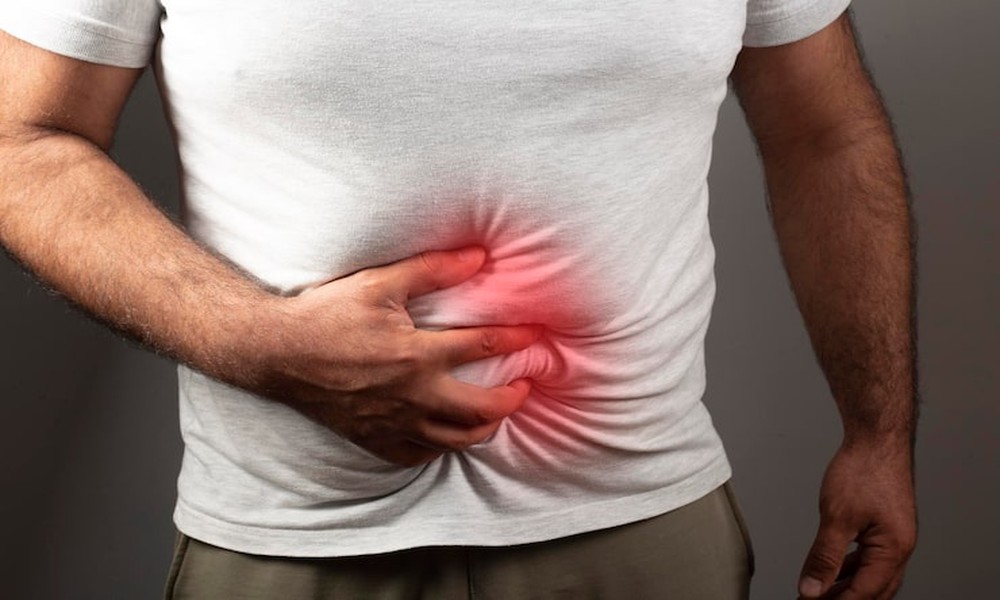
I pay close attention to early symptoms because small signs often point to bigger issues. If you want to catch a problem before it gets worse, you need to know what to look for and what to do next. You can review the common signs of a hernia to understand how these symptoms show up and why early action matters. I will walk you through the key signs, how to think about them, and what steps to take if something feels off.
Why Recognizing Early Signs Matters
A hernia does not fix itself. I want you to understand this clearly. It starts small, but it can grow and lead to serious problems if ignored.
When you catch it early, treatment is simpler. Recovery is faster. Risks stay low. If you wait too long, the condition can become urgent and much harder to manage.
I always advise acting early rather than waiting for pain to force a decision.
The Most Common Signs You May Notice
You do not need medical training to spot the early signs. You just need to pay attention to your body.
Here are the main symptoms I want you to watch for:
- A visible lump or bulge in the abdomen or groin
- Discomfort or mild pain when lifting, bending, or coughing
- A feeling of pressure or heaviness in the affected area
- Pain that gets worse after long periods of standing
- A bulge that disappears when you lie down
That visible bulge is often the first clear sign. It may seem small at first. Many people ignore it because it does not always hurt.
I recommend taking it seriously even if the pain feels mild.
Less Obvious Symptoms That Still Matter
Not all hernias show up in the same way. Some signs are easy to miss.
You might notice:
- A dull ache that comes and goes
- Swelling without clear pain
- Nausea or discomfort after eating
- A sense that something is not right in your abdomen
I have seen many people delay action because the symptoms feel vague. That delay can lead to complications.
If something feels unusual and does not improve, get it checked.
When a Hernia Becomes Dangerous
I want you to understand the risk side without fear, just clarity.
A hernia can become trapped. This is called incarceration. Blood flow can then be cut off, which is known as strangulation. This is serious and needs urgent care.
Watch for these warning signs:
- Sudden sharp pain
- A bulge that becomes firm and does not go back in
- Redness or darkening over the area
- Nausea or vomiting
- Fever
If you notice any of these, do not wait. Seek medical care right away.
Why Surgery Is the Only Real Fix
You may wonder if rest or medication can solve the problem. I want to be direct with you. A hernia does not heal on its own.
Surgery is the only reliable way to repair the weakness in the muscle.
Modern techniques make this process much easier than many people expect. Laparoscopic repair uses small incisions and allows for faster recovery.
How to Choose the Right Surgical Team
Choosing the right provider matters. I always tell people to look for experience, clear communication, and a structured care process.
Thomas Ho Surgery stands out for several reasons:
- They focus on minimally invasive laparoscopic hernia repair
- They treat a wide range of hernia types with tailored plans
- They use modern techniques that reduce pain and speed up recovery
- They provide clear guidance from diagnosis through recovery
Dr. Thomas Ho brings over 20 years of surgical experience, including advanced training in complex procedures. This level of expertise matters, especially if your case is not straightforward.
What to Expect From Laparoscopic Hernia Repair
I want you to feel prepared, not uncertain.
This approach uses small incisions and a camera to guide the repair. A mesh is placed to strengthen the weakened area.
Here is what you can expect:
- Smaller scars
- Less discomfort after surgery
- Shorter hospital stay
- Faster return to normal activity
Most people can resume light activities within a few days. Full recovery takes a few weeks, depending on your condition.
When You Should Take Action
I advise you to act if you notice any of the following:
- A new lump or bulge
- Ongoing discomfort in the abdomen or groin
- Symptoms that worsen with activity
- Any sign that does not improve over time
Waiting does not make the problem easier. Early evaluation gives you more options and better outcomes.
Final Thoughts
I always focus on simple guidance that leads to clear action. Pay attention to your body. Do not ignore small signs. A hernia often starts quietly, but it does not stay that way.
If you suspect something is wrong, get a proper assessment. A skilled surgical team like Thomas Ho Surgery can guide you through diagnosis and treatment with a clear plan and modern techniques.
Taking action early puts you in control of your health and your recovery.