
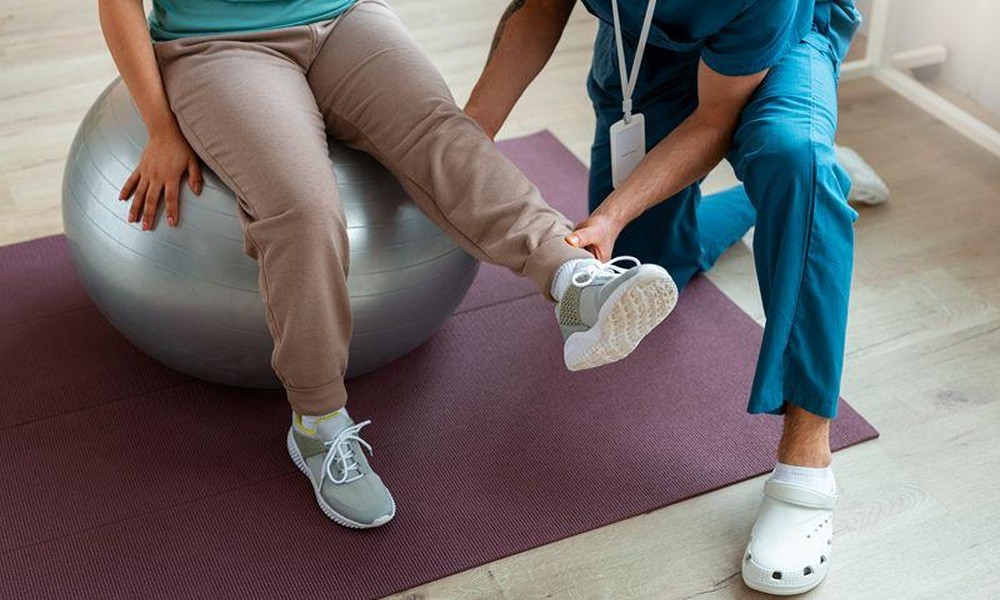
Key Takeaways
- Knee pain often develops through small daily adjustments, making everyday routines a common trigger for seeking knee pain treatment in Singapore.
- Knee pain physiotherapy focuses on refining how the knee handles load during walking, standing, and commuting rather than stopping movement altogether.
- Strength and control work supports routine activities first, helping stability return before noticeable pain reduction.
- Effective knee pain treatment adapts to real work, home, and lifestyle demands, recognising that progress may fluctuate over time.
Introduction
Living with knee pain changes daily routines long before people consciously label it as a problem, and knee pain treatment in Singapore is commonly considered when basic movements begin to feel painful. Many continue with their routines while quietly compensating, favouring one leg, slowing their pace, or avoiding certain movements altogether. These small adjustments may feel manageable at first, but they can slowly turn discomfort into a constant presence. Knee pain physiotherapy begins when pain starts shaping how people move through their day. People can approach treatment with care and clearer expectations when they understand how treatment supports everyday routines.
How Knee Pain Shows Up In Everyday Movement
Knee pain rarely appears only during exercise or sports. It shows up during routine actions such as standing from a chair, turning corners, or carrying groceries. People may shorten their stride, lock their knees while standing, or hesitate before bending down. These changes can become habitual, altering posture and balance over time. Knee pain treatment in Singapore often starts by observing how these everyday movements unfold. Recognising these subtle adaptations helps explain why knee pain can persist even when activity levels seem moderate or unchanged.
Early Treatment Focuses On Load And Tolerance
Early knee pain physiotherapy focuses on understanding how much load the knee handles throughout the day. Therapists look at walking distances, time spent standing, work routines, and commuting patterns. Rather than removing movement, treatment refines it. Small adjustments in posture, pacing, or movement timing can reduce irritation without disrupting routines. Knee pain physiotherapy supports people in staying active while managing discomfort, helping them continue daily activities without pushing through pain or avoiding movement altogether.
Strength And Control Support Daily Tasks
As symptoms begin to settle, treatment gradually shifts toward rebuilding strength and control. Exercises target muscles that support the knee during common tasks such as climbing stairs, standing for extended periods, or carrying bags. Movements remain controlled and deliberate, focusing on stability rather than speed. Patients often notice improved steadiness before pain levels change. Knee pain treatment in Singapore typically progresses in stages that align with real work and family schedules, making it easier to maintain consistency over time.
Rebuilding Confidence Through Repeated Movement
Knee pain can affect confidence as much as physical ability. Many people hesitate to squat, kneel, or walk briskly, worried about flare-ups or setbacks. Physiotherapy sessions address this hesitation through repeated, guided movement. Exercises are practised across sessions, helping patients gradually rebuild trust in their knee. Knee pain physiotherapy reinforces the idea that confidence grows through familiarity and repetition, even when progress feels gradual rather than dramatic.
Treatment Fits Around Real Life
Effective knee pain treatment adapts to daily life rather than replacing it. Therapists consider work environments, home layouts, and transport routines when shaping sessions. Conversations often include how knee pain affects errands, sleep, and social activities. Knee pain treatment in Singapore commonly adjusts exercises to suit these realities, allowing patients to stay engaged with care while managing responsibilities. This approach helps treatment remain practical rather than disruptive.
Managing Fluctuations And Setbacks Over Time
Knee pain rarely improves in a straight line. Some days feel easier, while others bring stiffness or discomfort without a clear reason. Physiotherapy helps patients make sense of these fluctuations by linking symptoms to activity patterns, workload, or fatigue. Knee pain treatment in Singapore often includes acknowledging setbacks as part of the process rather than signs of failure. Understanding this variability helps people stay consistent with treatment and daily routines, even when progress feels uneven.
Conclusion
Knee pain rarely follows a predictable recovery timeline. Progress often reflects gradual changes in movement habits rather than clear milestones. The gap between living with discomfort and moving comfortably can feel uncertain without context. Viewing knee pain physiotherapy as an ongoing process helps align expectations with reality. Knee pain treatment in Singapore supports daily routines by rebuilding movement confidence, control, and consistency over time.
Contact The Movement Laboratory to learn more about how knee pain physiotherapy supports daily routines in Singapore.