
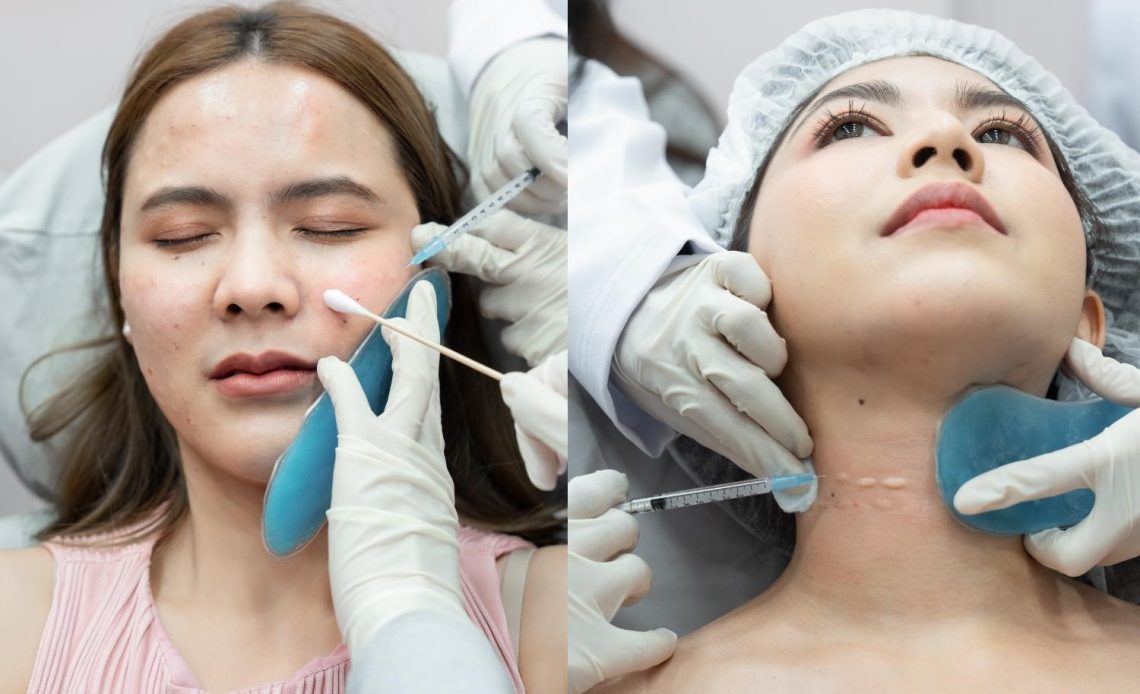
Acne leaves behind more than just memories. The scars, texture changes, and uneven skin can affect how you feel about your appearance. Many people search for ways to restore their skin’s smooth quality after dealing with breakouts.
A collagen booster injection offers a solution that works beneath the skin’s surface. This treatment helps rebuild what acne damage took away.
Understanding Post-Acne Skin Damage
Acne doesn’t just affect the top layer of skin. Deep breakouts damage the structure underneath. When spots heal, they often leave behind pitted scars or raised tissue.
The skin loses its natural bounce and smoothness. Collagen fibres break down during the healing process. This protein keeps skin firm and plump.
Without enough collagen, the skin develops an uneven surface. Small depressions form where tissue hasn’t healed properly. The face may look worn or aged beyond your years.
How Collagen Injections Work
These treatments deliver substances that trigger your body’s repair response. The injection stimulates cells called fibroblasts. These cells produce fresh collagen in the treated areas.
Your skin begins to rebuild from within. New tissue fills in scarred regions gradually. The process takes weeks or months to show full results.
Different types of collagen-boosting injections exist. Some use synthetic materials while others rely on natural compounds. Your practitioner will choose based on your skin type and scar severity.
The body recognises these substances and responds by creating new support structures. Blood flow increases to the area. Cells multiply and strengthen the damaged tissue.
The Treatment Process
A consultation comes first. Your practitioner examines your scars and discusses your goals. They’ll explain what results you can expect.
The actual procedure takes about 30 to 60 minutes. Your skin gets cleaned and marked where injections will go. A numbing cream may be applied for comfort.
The practitioner injects small amounts into specific areas. You might feel pressure or slight discomfort. Most people tolerate the process well.
Redness and swelling appear afterwards. These effects usually fade within a few days. You can return to normal activities quickly.
Results and Timeline
Changes don’t happen overnight. Your skin needs time to produce new collagen. Initial improvements may appear after two to four weeks.
The full effect develops over several months. Scars become less noticeable as tissue fills in. Skin texture becomes smoother and more even.
Multiple sessions often work better than one treatment. Your practitioner might recommend three to six appointments. They space these out by several weeks.
Results can last for months or years. Your body continues making collagen for some time after treatment. The improvement maintains itself naturally.
Who Benefits Most
People with atrophic scars respond well to collagen booster injection therapy. These are the indented marks left by severe acne. Rolling scars and boxcar scars show good improvement.
Ice pick scars, which are very narrow and deep, may need additional treatments. Your practitioner can combine methods for better outcomes.
Younger patients often see faster results. Their bodies produce collagen more readily. However, older adults can still benefit from treatment.
Realistic expectations matter. Deep scarring won’t disappear completely. But significant improvement in texture and appearance is possible.
Aftercare and Maintenance
Protect your skin following treatment. Avoid sun exposure for at least a week. Use gentle cleansers and moisturisers.
Don’t pick at injection sites. Let any small bumps settle on their own. Stay hydrated to support your body’s healing process.
Some people schedule maintenance sessions. These help preserve results over time. Your practitioner will advise on the right schedule for you.
Considering Your Options
Post-acne scarring affects confidence and comfort. A collagen booster injection provides a medical approach to skin repair. The treatment works with your body’s natural processes.
Research qualified practitioners in your area. Ask about their experience with acne scar treatment. Look at before and after photos of their work.
Book a consultation to discuss whether this approach suits your needs. Understanding the process helps you make an informed choice about your skin health.