
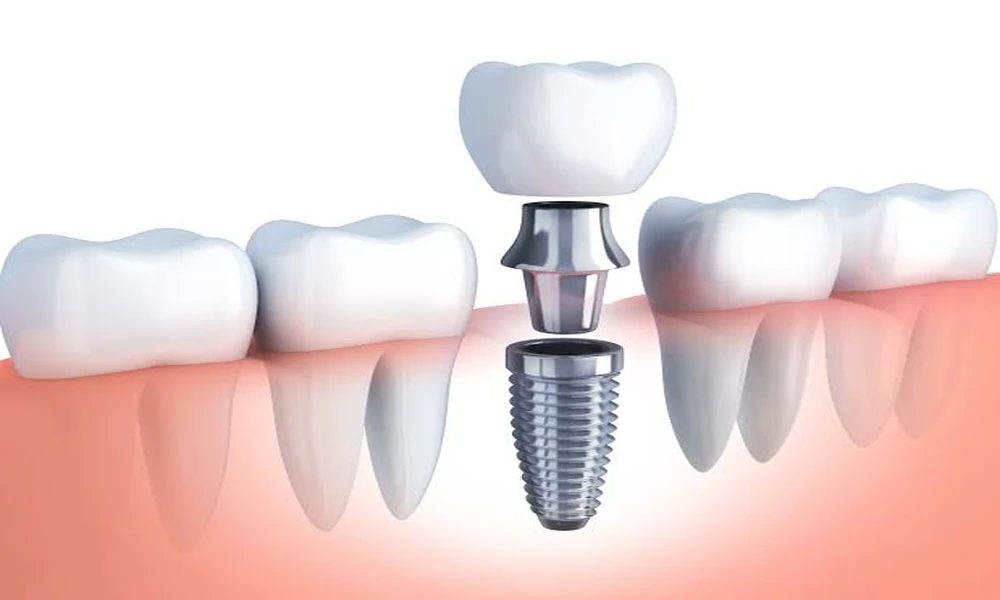
Dental implants are a common option for replacing missing teeth, but concerns about pain, recovery, and maintenance can make patients hesitant. Understanding what implant treatment involves-and what affects suitability-can help you have a more informed conversation with your dentist.
Myth 1: Dental Implants Are Extremely Painful
Fact: Implant placement is generally performed with local anesthesia. Some tenderness, swelling, or discomfort may occur afterward, and recovery varies depending on the procedure and the individual. Your dentist can explain what to expect and provide aftercare instructions.
Myth 2: Implants Are Only for Older Adults
Fact: Age alone does not determine whether an adult can receive an implant. Gum health, jawbone support, overall oral health, and individual circumstances matter more. An examination is needed to assess suitability.
Myth 3: Implants Look Artificial
Fact: The visible crown is custom-made to complement the surrounding teeth in shape, size, and colour. The implant post sits beneath the gum, while the crown is the part generally visible when you smile or speak. The final appearance depends on the individual case and restoration.
Myth 4: A Missing Tooth Does Not Need Replacing
Fact: A missing tooth can affect chewing and may allow neighbouring teeth to shift. Bone in the area can also change over time after tooth loss. Whether replacement is recommended depends on your oral health, tooth position, and goals. Your dentist can explain the benefits and limitations of the available options.
Myth 5: Every Implant Treatment Is the Same
Fact: Implant planning is tailored to each patient. Your dentist considers the location of the missing tooth, the condition of the gums and jawbone, your bite, nearby teeth, and overall oral health. X-rays or 3D imaging may be used when appropriate to help plan treatment.
Myth 6: The Entire Process Takes One Appointment
Fact: Implant placement may take place during one surgical appointment, but the full process usually involves planning, placement, healing, and fitting the final restoration. Some patients need additional procedures, such as bone grafting. The timeline depends on the treatment plan and healing.
Myth 7: Everyone With a Missing Tooth Can Get an Implant Immediately
Fact: Not everyone is ready for immediate implant placement. The amount and condition of available bone, gum health, and other dental concerns can affect timing. If there is insufficient bone support, your dentist may discuss grafting or alternative tooth replacement options.
Myth 8: Implants Do Not Need Maintenance
Fact: Implants cannot develop cavities, but the surrounding gums and tissues can still develop inflammation or other problems. Brush twice daily, clean carefully around the restoration, and attend regular dental checkups. Follow the cleaning and maintenance advice provided for your specific implant restoration.
What Influences Implant Success?
Several factors contribute to treatment planning and long-term care:
- Oral health: Gum health and untreated dental problems need consideration.
- Bone support: The implant needs suitable support in the jaw.
- Daily hygiene: Cleaning around the implant helps maintain surrounding tissues.
- Lifestyle habits: Smoking can affect healing and oral health; discuss your circumstances with your dentist.
- Follow-up care: Regular professional monitoring helps identify concerns that may need attention.
Implants, Bridges, or Dentures: Which Is Right for You?
Implants are not the only way to replace missing teeth. A bridge may use neighbouring teeth for support, while removable dentures are another option for some patients. Each approach has different considerations, including comfort, maintenance, treatment time, cost, and the condition of surrounding teeth.
A consultation can help you compare these options based on your oral health and preferences. Learn more about dental implants and discuss your questions with Cambridge Centre Dental Care.
Considering Dental Implants in Cambridge, Ontario?
An assessment can help determine whether implant treatment may be suitable and whether any other dental concerns need attention first. Patients can discuss their treatment goals, expected timeline, and maintenance requirements with the dental team before making a decision.
Frequently Asked Questions
Are dental implants painful?
Local anesthesia is generally used during placement. Temporary soreness or swelling may follow, but the experience varies. Follow your dentist’s aftercare instructions and contact the office if symptoms concern you.
How long does implant treatment take?
The overall timeline varies. The implant may need time to integrate with the jawbone before the final restoration is fitted, and some patients require additional treatment.
Can smokers get dental implants?
Smoking does not automatically rule out implants, but it can affect healing and oral health. Discuss your smoking history with your dentist before treatment.
What if I do not have enough bone?
Your dentist may discuss bone grafting, a different treatment approach, or an alternative tooth replacement option, depending on your situation.
Final Thoughts
Dental implant treatment is not identical for every patient. Bone support, gum health, the location of the missing tooth, and overall oral health all influence planning and suitability. If you are considering replacing a missing tooth, a professional assessment can help you understand your options, likely timeline, and maintenance needs before deciding on treatment.