
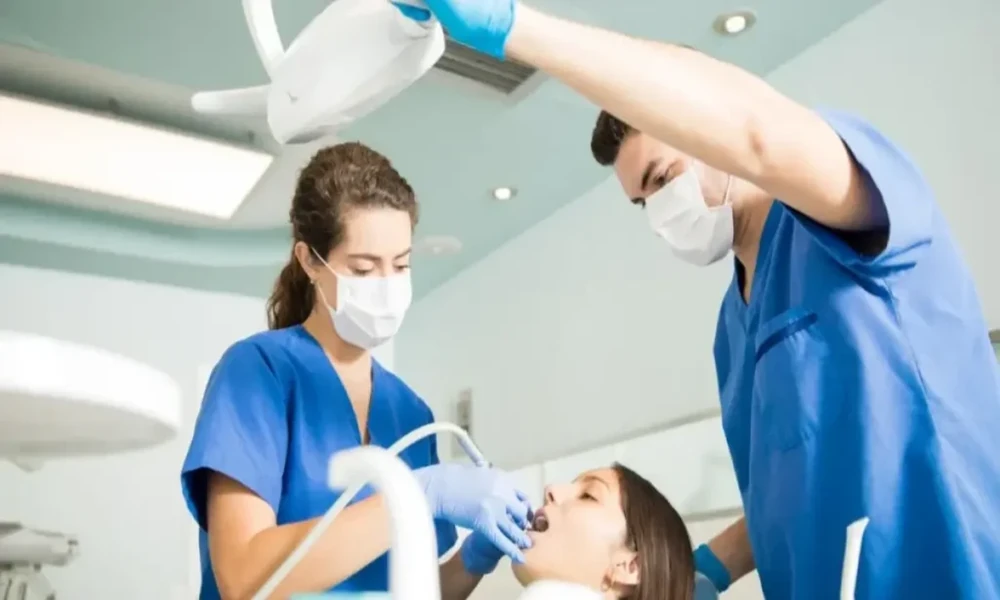
You might not think much about preventive dental care until something starts to hurt, a child complains about a tooth, or a routine meal becomes harder to enjoy. That is often how it goes. Life gets busy, appointments get pushed back, and oral health slips into the background until it demands your attention. If that sounds familiar, you are not alone. The good news is that many common dental problems can be reduced, slowed, or even avoided with the right care at the right time from a dentist serving Wellston, Ohio.
If you are wondering what a general dentist can really do before problems become expensive or painful, the answer is simple. Preventive care is not just about cleaning teeth. It is about protecting your comfort, your budget, and your health over time. These preventive dental services help children, teens, adults, and older adults keep their teeth and gums in better shape through every stage of life.
Why do preventive dental services matter so much for families and adults?
When people skip dental visits, the risks often build quietly. A small cavity can turn into a larger repair. Mild gum irritation can become gum disease. A child who never learns strong home care habits may carry those struggles for years. Because of this, prevention tends to be easier, less stressful, and less costly than treatment later on.
That is why regular care from a general dentist matters. General dentists look at the full picture. They check for decay, monitor gum health, track changes over time, and help patients adjust habits before they lead to damage. If you want a helpful overview of daily habits that support oral health, the National Institute of Dental and Craniofacial Research shares practical guidance on oral hygiene.
So, what are the five preventive services that tend to make the biggest difference?
Which 5 preventive care services does a general dentist offer for all ages?
1. Routine dental exams
Exams are the foundation of prevention. During a checkup, a dentist looks for cavities, gum inflammation, bite issues, worn enamel, and other early signs of trouble. These visits also help track changes that you may not notice at home. For children, exams can catch developmental concerns early. For adults, they can help spot signs of grinding, recession, or damage from old dental work.
2. Professional teeth cleanings
Even if you brush and floss well, plaque and tartar can still build up in hard to reach areas. Professional cleanings remove that buildup before it leads to decay or gum disease. Cleanings also give your dental team a chance to reinforce home care in a way that fits your age and needs. This is one of the most common and useful forms of preventive dentistry for all ages.
3. Fluoride treatments
Fluoride helps strengthen enamel and can lower the risk of cavities. Many people think of fluoride as something only children need, but adults can benefit too, especially if they have dry mouth, a history of decay, sensitive teeth, or exposed roots. A simple fluoride treatment can add another layer of protection where the mouth needs it most.
4. Dental sealants
Sealants are thin coatings placed on the chewing surfaces of back teeth, where food and bacteria often settle into deep grooves. They are common for children and teens, but some adults may benefit as well. Sealants can be a smart option when molars are hard to clean or more prone to decay.
5. X rays and preventive monitoring
Not every issue is visible during a basic exam. X rays help dentists find cavities between teeth, bone loss, impacted teeth, and hidden infections. Preventive monitoring also includes watching for changes in gum pockets, wear patterns, and oral tissue health. This kind of follow up matters because small changes often say a lot before pain begins.
What does preventive care at the dentist help you avoid?
The real value of prevention becomes clearer when you compare it to what happens without it. Imagine missing routine visits for a few years. A child may need fillings that could have been avoided with sealants and fluoride. An adult with bleeding gums may end up needing deeper periodontal treatment. An older adult with dry mouth may face a string of new cavities that seem to appear all at once.
That is why trusted public health guidance matters. The Centers for Disease Control and Prevention offers useful tips for adult oral health and separate advice for children’s oral health, which can help you understand how needs change by age.
How does home care compare to professional preventive dental care?
Home care and office visits work best together, not against each other. Brushing and flossing every day are essential, but they cannot fully replace what happens in a dental chair.
| Preventive Step | What You Can Do at Home | What a General Dentist Adds |
|---|---|---|
| Cavity prevention | Brush with fluoride toothpaste, limit sugary drinks, floss daily | Find early decay, apply fluoride, place sealants when needed |
| Gum health | Brush along the gumline, floss, watch for bleeding | Remove tartar, measure gum health, catch disease early |
| Hidden problems | Notice pain, sensitivity, or bad breath | Use exams and X rays to find issues before symptoms grow |
| Age specific care | Adjust habits as teeth and health change | Recommend care for kids, adults, and older patients based on risk |
If you have ever wondered why issues still happen even when you brush every day, this is often the reason. Prevention is strongest when daily habits and professional care support each other.
What can you do right now to protect your teeth and gums?
1. Get consistent with checkups.
If it has been a while, start there. A routine visit gives you a clear picture of where things stand now, before guessing turns into worry.
2. Match your home care to your age and risk.
A child with new molars, an adult with sensitivity, and an older adult with dry mouth do not all need the same routine. Use fluoride toothpaste, floss daily, and ask what extra support makes sense for your situation.
3. Do not ignore small signs.
Bleeding gums, bad breath, temperature sensitivity, and food getting stuck in one area can all be early clues. Acting early is usually simpler than waiting.
Where does that leave you if you want healthier teeth for the long run?
Preventive care gives you something many dental treatments cannot. It gives you a chance to stay ahead of problems instead of reacting to them. Whether you are caring for your own smile, helping a child build good habits, or supporting an older parent, the right dental prevention services can make daily life easier and future treatment less complicated.
If you have been putting off care, you do not need to solve everything at once. Start with the basics, ask questions, and keep going from there. A general dentist can help you build a plan that fits your age, needs, and routine.