
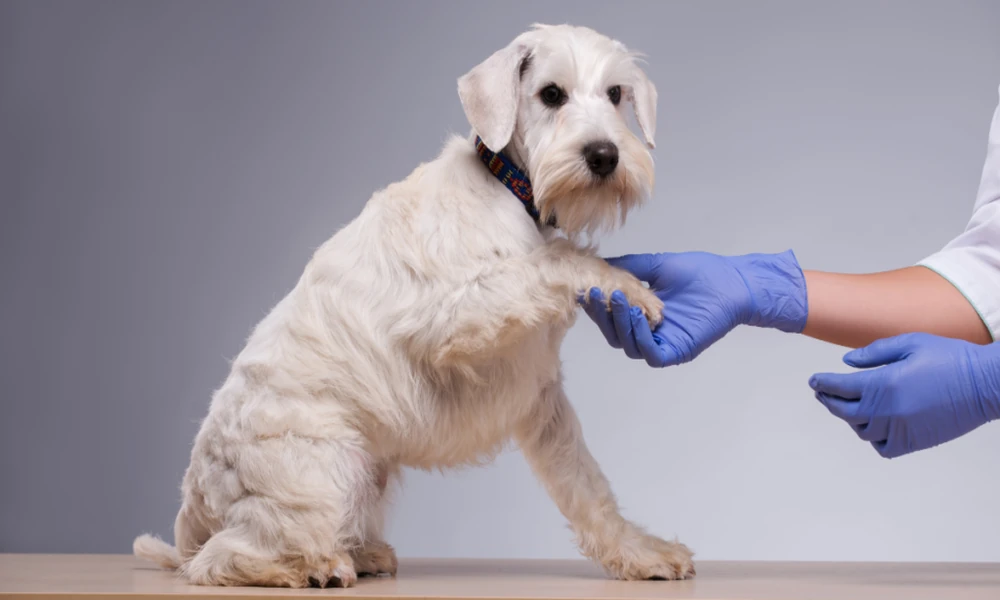
You notice it the moment your pet is sick or hurt. You want answers fast, but you also want care that feels careful, modern, and grounded in real skill. That tension is hard. You are trusting an animal clinic with a family member, and when a hospital says it offers advanced care, you need that to mean something more than newer machines in a bright room. You may also be looking for vaccine care for dogs and cats in Cape Coral as part of a complete approach to your pet’s health.
How Animal Hospitals Adapt To Advances In Veterinary Medicine comes down to one thing. Better tools only matter when hospitals change the way they diagnose, treat, communicate, and follow up. The best hospitals are not chasing trends. They are building systems around imaging, surgery, monitoring, pain control, and staff training so your pet gets faster answers and safer care.
Veterinary hospitals change because pet care has changed
Pets are living longer, chronic disease is more common, and owners are asking the same level of clarity they expect in human medicine. That raises the standard for every animal clinic. A limp that once led to rest and watchful waiting may now lead to digital imaging, orthopedic planning, and rehab. A seizure case may need advanced neurology support instead of trial and error.
This shift affects the whole hospital. It changes scheduling, because advanced diagnostics take planning. It changes staffing, because technicians need training in anesthesia monitoring, lab systems, and imaging support. It changes communication, because you need someone who can explain why an MRI is recommended, what a CT scan can show, and what the costs may look like before you are standing at the front desk feeling cornered.
That is where some hospitals struggle. They may buy technology before they build the workflow around it. The result is delay, mixed messages, or care that feels fragmented. The hospitals adapting well do the opposite. They connect the equipment to a clear clinical process, then train the team to use that process every day.
Advanced imaging is reshaping diagnosis in animal hospitals
One of the clearest signs of advances in veterinary medicine is the spread of better imaging. X rays still matter, but they do not answer every question. CT scans, MRI systems, and high end ultrasound can reveal problems that standard tools may miss, especially in the brain, spine, chest, joints, and soft tissues.
Universities and referral centers are showing what this looks like in practice. Cornell recently highlighted how cutting edge veterinary equipment supports patient care, with technology that helps clinicians make faster and more precise decisions. LSU shared news about its new MRI capabilities for veterinary patients, which expands what doctors can see in complex cases. Washington State also reported that a new CT scanner will benefit pets across the region, improving access to advanced imaging for more families.
For you, this means fewer cases where treatment starts with guesswork. It can also mean a diagnosis arrives sooner, when earlier treatment may reduce pain, lower risk, or avoid a procedure that is not needed. The flip side is cost. Better diagnostics can be expensive, and that can hit hard when the problem was supposed to be simple.
Modern veterinary care depends on people, not just equipment
The machine is only part of the story. A hospital adapting well to modern veterinary care invests in the people around the machine. Radiologists, surgeons, anesthetic teams, critical care staff, and trained technicians all shape the outcome. Without them, advanced tools can create more confusion instead of more clarity.
You see this in anesthesia and recovery. Newer monitoring systems can track blood pressure, oxygen, temperature, and carbon dioxide in real time, but someone still has to respond to those readings with skill. The same goes for lab testing. Faster in house diagnostics help clinicians act quickly, but only if the team knows when to test, how to interpret the results, and how to explain what they mean for your pet today.
This is why adaptation often looks boring from the outside. It is staff education, updated protocols, cleaner handoffs, better records, and follow up calls that catch trouble early. Those details are what turn technology into actual care.
Comparing traditional workflows with updated animal hospital systems
| Area of Care | Traditional Approach | Updated Hospital Approach | What It Means for You |
|---|---|---|---|
| Diagnosis | Basic exam and standard X rays | Layered diagnostics with digital imaging, ultrasound, CT, or MRI when needed | Faster answers in complex cases and fewer blind treatment attempts |
| Surgery Planning | General planning based on symptoms and basic imaging | Image guided planning, bloodwork review, anesthetic risk assessment | More precise procedures and fewer surprises during surgery |
| Monitoring | Manual checks at wider intervals | Continuous digital monitoring during anesthesia and recovery | Problems can be caught earlier |
| Communication | Short updates, limited records access | Treatment plans, cost estimates, discharge instructions, follow up contact | Less confusion when decisions need to be made quickly |
| Chronic Care | Return visits based on visible symptoms | Tracking with lab trends, imaging, medication review, rehab support | Better long term management for arthritis, heart disease, cancer, and endocrine issues |
Practical steps help you choose the right animal clinic
Ask how the hospital uses advanced tools.
Do not stop at “we have CT” or “we offer advanced surgery.” Ask who reads the scans, how often the equipment is used, whether specialists are involved, and what cases are referred out. A strong answer is clear and calm. A vague answer usually tells you enough.
Request the care plan in plain language.
If your pet needs imaging, surgery, or long term treatment, ask for the goal of each step, the expected cost range, the recovery timeline, and the biggest risks. You are not being difficult. You are trying to make a sound decision under stress.
Look at systems, not just reputation.
A good hospital has a process for urgent cases, anesthesia safety, pain control, discharge instructions, and aftercare. That matters as much as the equipment list. The strongest veterinary medicine advances show up in the day to day details your pet experiences from intake to recovery.
Better veterinary medicine should feel clearer, not more overwhelming
When animal hospitals adapt well, care becomes more precise and more humane. You get better information, your pet gets treatment built on evidence instead of guesswork, and hard decisions feel less chaotic. That does not remove the cost or the stress, but it gives both of you a steadier path through it.
If your pet needs support from an Animal Clinic, look for one that pairs new technology with strong clinical judgment, honest communication, and a team that treats your concerns like they matter. That is what progress should look like.