
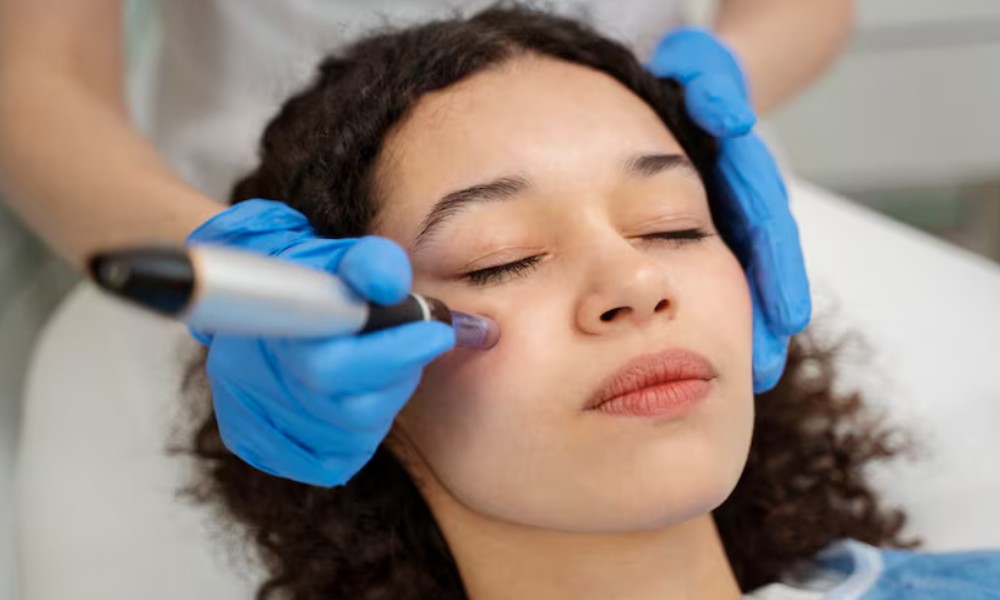
The phrase “collagen banking” sounds a little trendy, but the idea behind it is actually pretty simple. Collagen is one of the main building blocks that helps skin look firm and smooth. As we age, collagen naturally breaks down faster than we replace it. So the goal is to support collagen production early and consistently, instead of waiting until skin looks “really” tired.
That’s where SkinPen microneedling often comes up. It’s a professional microneedling treatment that creates controlled micro-injuries in the skin, which can encourage the body’s natural repair response. Over time, that repair response may support collagen and elastin.
But what does “banking” collagen actually look like across a year? Here’s a realistic way to think about a 12-month timeline.
Month 1: The first session and the “fresh skin” phase
Most people notice the earliest changes in texture, not in deep lines. After the first treatment, you might see:
- A temporary glow once the initial redness settles
- Slightly smoother skin texture
- Makeup sitting better on the skin (or needing less of it)
Right after treatment, redness is common and can resemble a mild sunburn. Some people also experience dryness or light flaking as the skin calms down. This is usually short-lived, but it’s a reminder that downtime and aftercare matter if you want the best result.
Months 2-3: Building consistency
If you’re following a common approach for collagen banking, this is where a series starts to make more sense. Many people do multiple sessions spaced several weeks apart early on, then shift to maintenance later.
During months 2-3, the improvements are often subtle but steady:
- Skin tone may look more even
- Pores can appear less noticeable
- Mild acne scarring or rough texture may start to soften
- Skin may feel a little “bouncier”
This is also when patience matters. Collagen remodeling doesn’t happen overnight. Your skin’s structure changes gradually, and it can be easy to miss progress if you’re checking the mirror too closely every day.
Months 4-6: The “people start commenting” window
For a lot of people, the middle of the year is when changes become more noticeable. Not always dramatic, but noticeable in a real-life way. Think:
- A healthier look to the skin, even without makeup
- Better overall texture and smoother feel
- Fine lines looking lighter (especially around the mouth or under eyes, depending on your skin)
- More even tone, especially if sun damage was mild
If collagen banking is the goal, this is where the “deposit” starts to feel real. You may not look like a different person, but you might look more rested. The skin often looks more resilient, which is kind of the point.
Months 7-9: Maintenance mode and smarter planning
At this stage, a lot of people shift from “fixing” to “maintaining.” If you’ve done a few sessions already, your provider may suggest spacing treatments farther apart.
This is also when lifestyle factors show up loud and clear:
- Sun exposure can undo progress faster than people expect
- Skincare consistency starts to matter more
- Hydration, sleep, and stress show up on the face (unfair, but true)
Collagen banking over 12 months isn’t just about the treatments. It’s the combination of treatments + protecting the results.
Months 10-12: The long-game payoff
By the end of a year, collagen banking usually looks like skin that holds up better. Not perfect skin. Not frozen skin. Just stronger, healthier-looking skin.
Common end-of-year benefits people describe:
- More even texture and tone compared to month 1
- Less “crepey” look in certain areas
- Fine lines looking softer
- A more consistent glow that doesn’t depend on highlighter
If you keep up with occasional maintenance sessions after this, the results may be easier to hold onto. That’s why people call it “banking.” It’s a long-term strategy.
A few realistic notes before you start
- Results vary based on age, skin condition, aftercare, and consistency.
- It’s not a replacement for sunscreen. If anything, sunscreen becomes non-negotiable.
- Some concerns (like deep wrinkles or significant sagging) may need other options in addition to microneedling.
Important: This article is for general information only and isn’t medical advice. If you have a skin condition, are prone to scarring, or you’re unsure whether microneedling is right for you, talk with a qualified licensed provider.
If you want, I can also write a second guest post that pairs well with this one, like “Microneedling Aftercare: What to Do in the First 7 Days” or “Microneedling vs Chemical Peels: Which One Fits Your Skin Goals?”
This post was written by a licensed professional at Vive Aesthetics, a trusted medical spa offering Expert Laser Hair Removal in Bradenton, FL to enhance your natural beauty and overall wellness. Guided by a thoughtful “less is more” philosophy, our team delivers subtle, balanced results through personalized care so you look refreshed, feel confident, and stay authentically you every single day.