
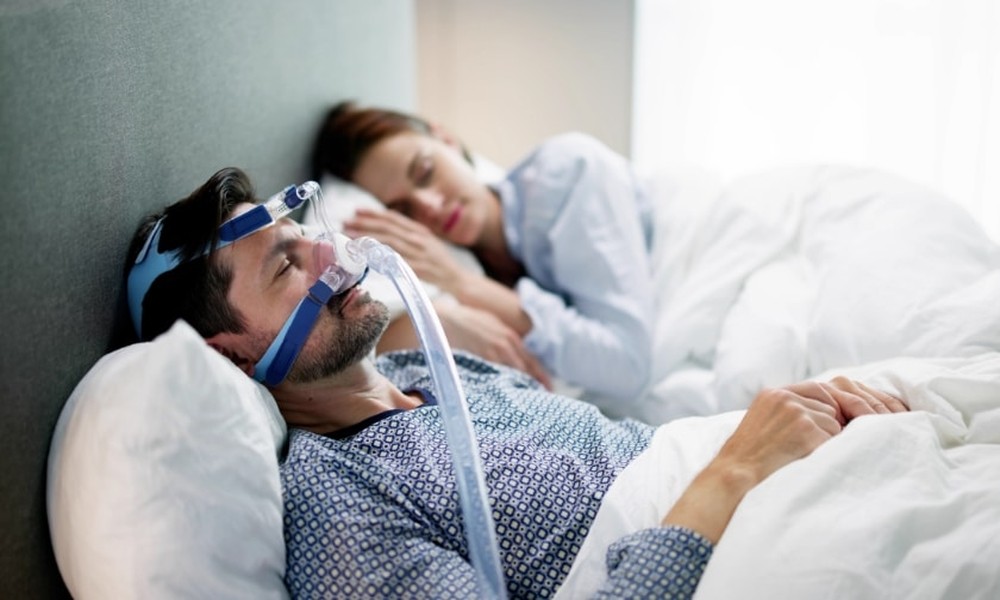
Feeling exhausted every day, even after sleeping for many hours, is not normal. If you constantly lack energy, struggle to focus, or feel worn out from simple activities, there may be an underlying reason. One possible cause is sleep apnea symptoms, a common sleep disorder that often goes undiagnosed. Sleep apnea can seriously affect sleep quality and is closely linked to ongoing or chronic fatigue.
Sleep apnea happens when a person’s breathing pauses and resumes many times while they are asleep. These pauses can last several seconds and may happen many times throughout the night. Each time breathing stops, oxygen levels in the body drop. The brain reacts by briefly waking the person to restart breathing. Most people are unaware that this is happening, but these repeated interruptions prevent deep, restful sleep. Over time, the body becomes deprived of proper rest, leading to constant tiredness during the day.
There are several reasons why sleep apnea develops. Excess body weight is one of the main contributors because it can place pressure on the airway, causing it to narrow or collapse during sleep. Other factors include relaxed throat muscles, smoking, alcohol use, family history, and certain health conditions. Common signs of sleep apnea include loud snoring, gasping or choking during sleep, waking up with headaches, dry mouth, difficulty concentrating, and mood changes.
Chronic fatigue goes beyond ordinary tiredness. It is a long-lasting condition marked by extreme exhaustion that does not improve with rest. People experiencing chronic fatigue may also suffer from muscle aches, headaches, memory problems, and difficulty performing daily tasks. This constant lack of energy can interfere with work, social life, and emotional well-being. Symptoms often vary from day to day, making it difficult to maintain a normal routine.
Sleep apnea and chronic fatigue share many overlapping symptoms, which suggests a strong connection between the two. Poor sleep caused by sleep apnea can lead to ongoing exhaustion and may worsen fatigue-related conditions. Disrupted sleep patterns, reduced oxygen levels, and stress on the body may all contribute to this relationship. Inflammation and changes in how the body regulates energy and sleep may also play a role.
Treating sleep apnea can greatly improve fatigue levels and overall health. Common treatments include CPAP therapy, which keeps the airway open using gentle air pressure during sleep. Other options may include oral appliances, changes in sleeping position, weight management, or surgery in severe cases. Addressing chronic fatigue often requires a combination of medical care and lifestyle adjustments.
Healthy daily habits can support better sleep and increased energy. Keeping a regular sleep schedule helps regulate the body’s internal clock. Creating a calm bedtime routine, limiting caffeine, and avoiding heavy meals before bed can also improve sleep quality. Regular physical activity, balanced nutrition, proper hydration, and stress management techniques such as deep breathing or meditation can further reduce fatigue.
If constant tiredness is affecting your life, it is important to seek medical advice. A healthcare professional can help identify whether sleep apnea or another condition is contributing to your fatigue. With proper diagnosis, treatment, and lifestyle changes, many people experience improved sleep, higher energy levels, and a better quality of life.